Saturday, September 1, 2018

The Amazonization of Whole Foods, one year in

Amazon promised to breathe new tech into the relationship with Whole Foods after putting a $13.7 billion ring on it one year ago. So how did that promise shake out?

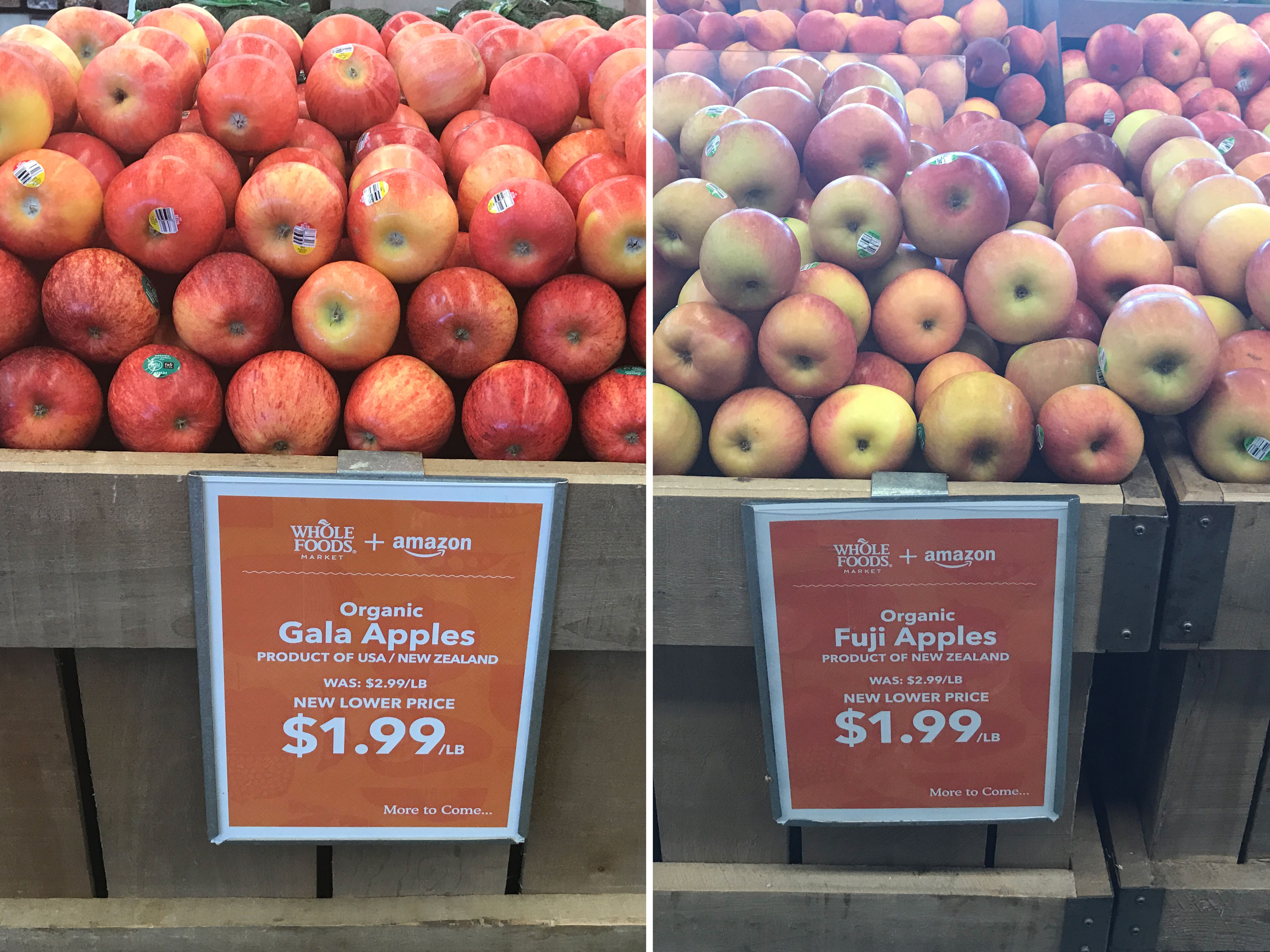
At the time, Amazon said the goal was to make “high-quality, natural and organic food affordable for everyone.” Bananas, avocados and even tilapia was going to be cheaper than before. Prime members would receive increased benefits with discount rewards and Amazon drones would be delivering packages right to your door.

Okay, that last bit was not promised — though we’re not the first to speculate on that possibility in the future.

A bunch of other Amazon offerings involving delivery options were also mentioned, including the getting of Whole Food groceries through a then new Amazon Fresh grocery delivery program and Whole Foods private label products would be made available through Prime Now and Prime Pantry. Further, Amazon lockers would be showing up at select stores to make pick ups and returns easier for Amazon customers. And, of course, new jobs would be created to handle all the new infusion of technology.

Soon customers started to see Amazon Echo devices popping up in stores, urging people to install them in their home for easier grocery ordering through voice command. Echo dots lined the walls and could be found surrounded by produce. Amazon promised to deliver more devices to try in-store ahead of purchase as time went on.

Since the launch, “customers have already saved hundreds of millions of dollars,” according to Whole Foods co-founder and CEO John Mackey. “So whether it’s better prices on your weekly shop, saving time through delivery from Prime Now or taking advantage of incredible weekly deals for Prime members, the overall customer experience is richer and more seamless than it’s ever been,” he continued.
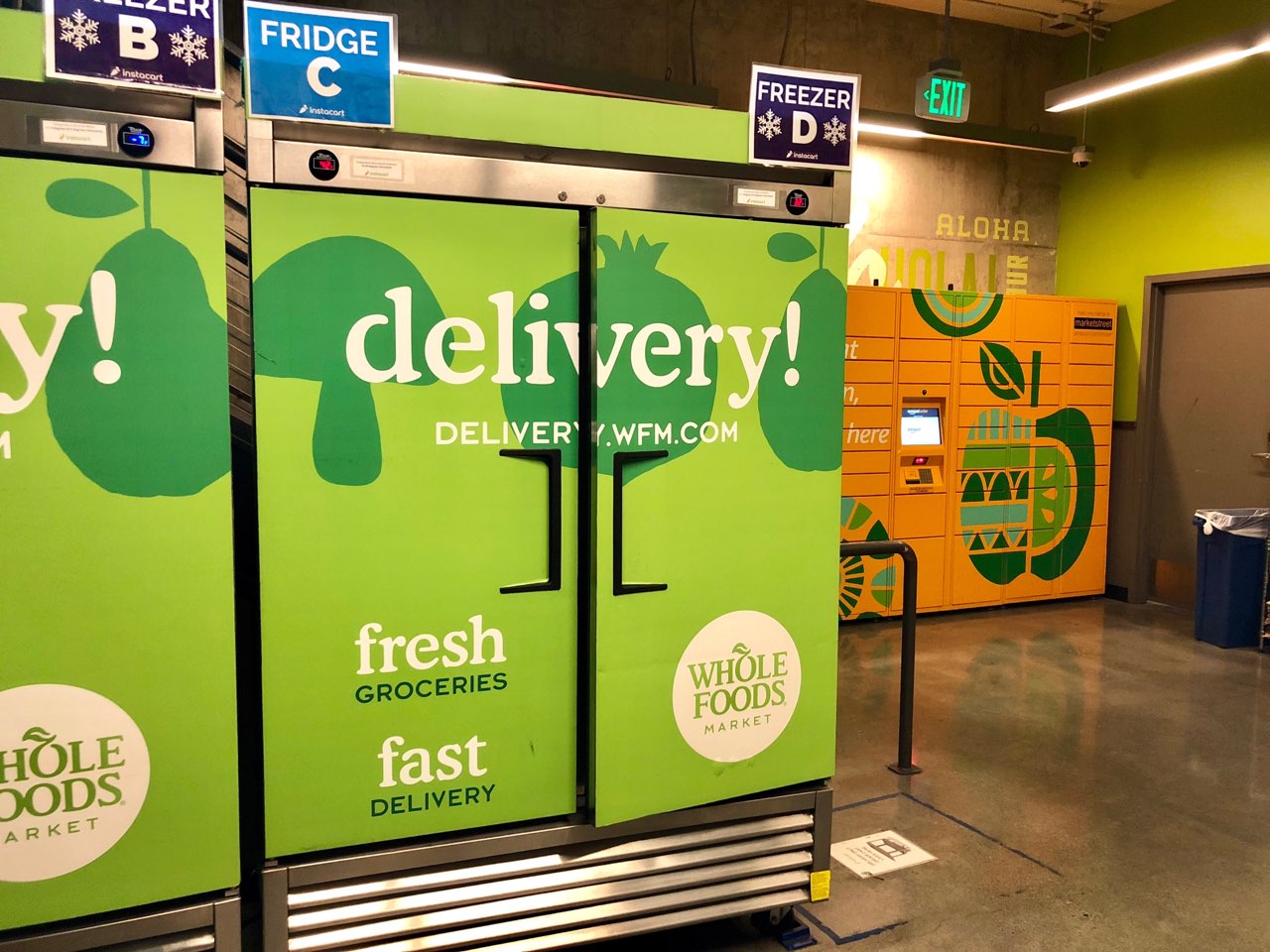
I’m not sure the average customer would see the experience as “richer and more seamless” but the changes are noticeable. Walking into my local Whole Foods, the Amazon branding is everywhere from the deep orange lockers off to the side, the large, green Amazon Fresh coolers greeting me at the entrance to the parking lot and rows of bags ready for pickup and delivery via Amazon workers.

A large “Prime Member Deal” sign hangs down from the ceiling, greeting me at the front of the store. Beyond, there’s the produce, once fresh and free of rot with all organic labeling. Now? It’s unclear. I used to argue the “whole paycheck” prices were worth it for the better quality produce. Lately, I’ve had to throw a bunch of stuff out because it just doesn’t last as long or look as good. Not everything is organic.

Other shoppers have noticed the same dip in quality across the U.S., along with missing products or a lot of out of stock items they’d been buying for years at their grocery store.

It’s been called the “conventionalization” of Whole Foods by Wall Street investment bank Barclays, which also noted there had been some comments from Mackey about cultural “clashes” during his appearance at the American Production and Inventory Control society’s annual conference.
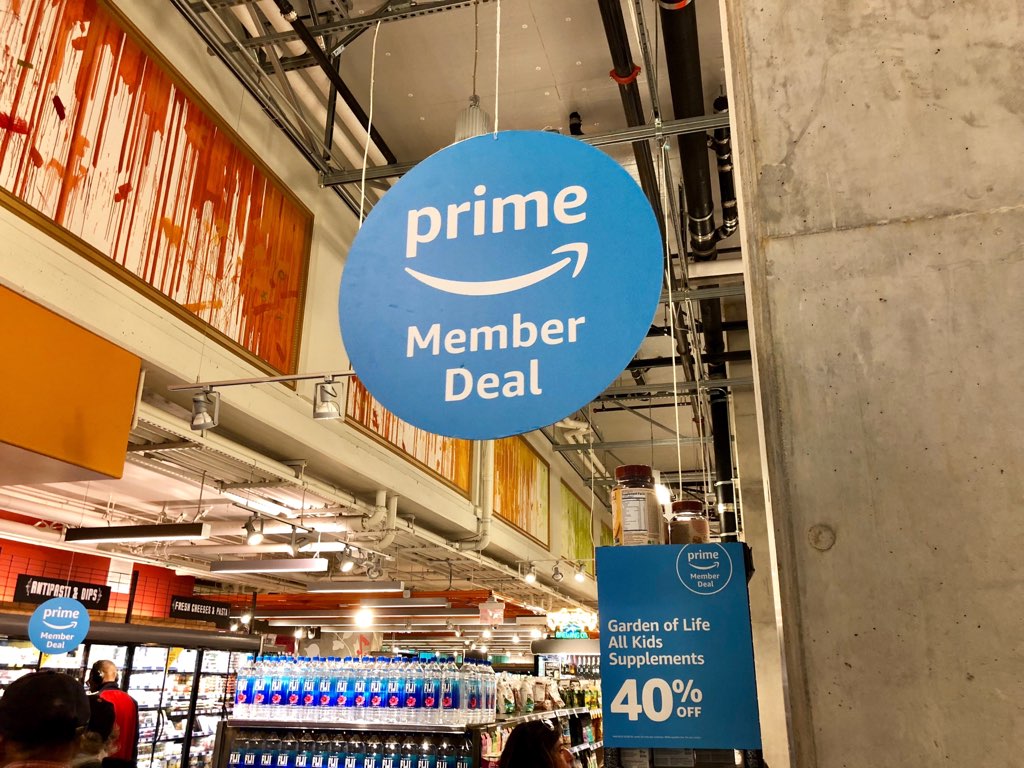
On the flip, Amazon has managed to add some nifty integrations for Prime members including club member style sales prices and five percent cash back for those purchasing groceries with their Prime Visa card. You want to do one better, just download the Amazon app to your smartphone, use the code given and then purchase with Apple pay using your Amazon Prime credit card for maximum benefits. Of course, that’s only for those all in with the system.

Adding to that, there’s the super fast two-hour delivery option (in 20 cities for now, with more to come this year, according to Amazon) and grocery pickup so you don’t even have to wander through the store to get everything you need (although, I am one of those who likes picking out my own produce and wandering through the store sometimes),

I’ve also enjoyed using the integrated partnership to order Whole Foods items straight from my Amazon Fresh account (a lifesaver in those early days of postpartum when it was impossible to get out of the house). Before the integration I could use Instacart but had to order from each store separately in different orders. With Amazon, I can order from various stores, including Whole Foods through my Amazon Fresh account all in one order and then choose a time for delivery.
There’s still some bumps with that process — you can’t order every item available in Whole Foods, just what Fresh offers that week through the Amazon platform. The bags are also large and often don’t fill up to their full potential, leaving a lot of waste. But that’s like complaining you can’t get good WiFi on an airplane. It’s frustrating but you are flying through the sky and messaging people on the ground. Similar, you are ordering food through the air waves and it shows up at your door step. In the grand scheme, it’s amazing!

Anyway, yes, there are more conveniences for Amazon Prime members and further integrations with technology to make the shopping experience easier. It does also seem Amazon has hired more workers to fulfill the needs this technology creates. At my own market it seems tough to tell who is an Amazon worker rummaging through the aisles for listed items and who’s just shopping for themselves these days.

Is the marriage working? Tough to tell at this point. Those promised changes may seem exciting for both parties but between disappointed shoppers and a “clash” in culture it may not have been what Whole Foods faithful wanted. Still, at least some vendors have said they’ve seen an increase in sales and volume of products sold since the acquisition, despite the drop in prices. And Mackey, comparing his love for his wife with the relationship said in a recent interview “I don’t love absolutely everything about my wife, either, but on balance I love, like, 98%. That’s a pretty good ratio, based on my previous relationships.”

It might not even matter what loyal Whole Foods customers think. The acquisition gives Amazon an opportunity to introduce its 100 million Prime members to the grocery store it envisions — one that could drop organic, fossil fuel free groceries via drone at their doorstep in the future.

While it’s hard to know how the partnership has impacted Amazon’s bottom line overall, we do know sales going up and to the right is a good thing. We still need to see how this relationship performs over time but one year in looks promising.


from TechCrunch https://ift.tt/2ouIXZN

DJI Mavic 2 review

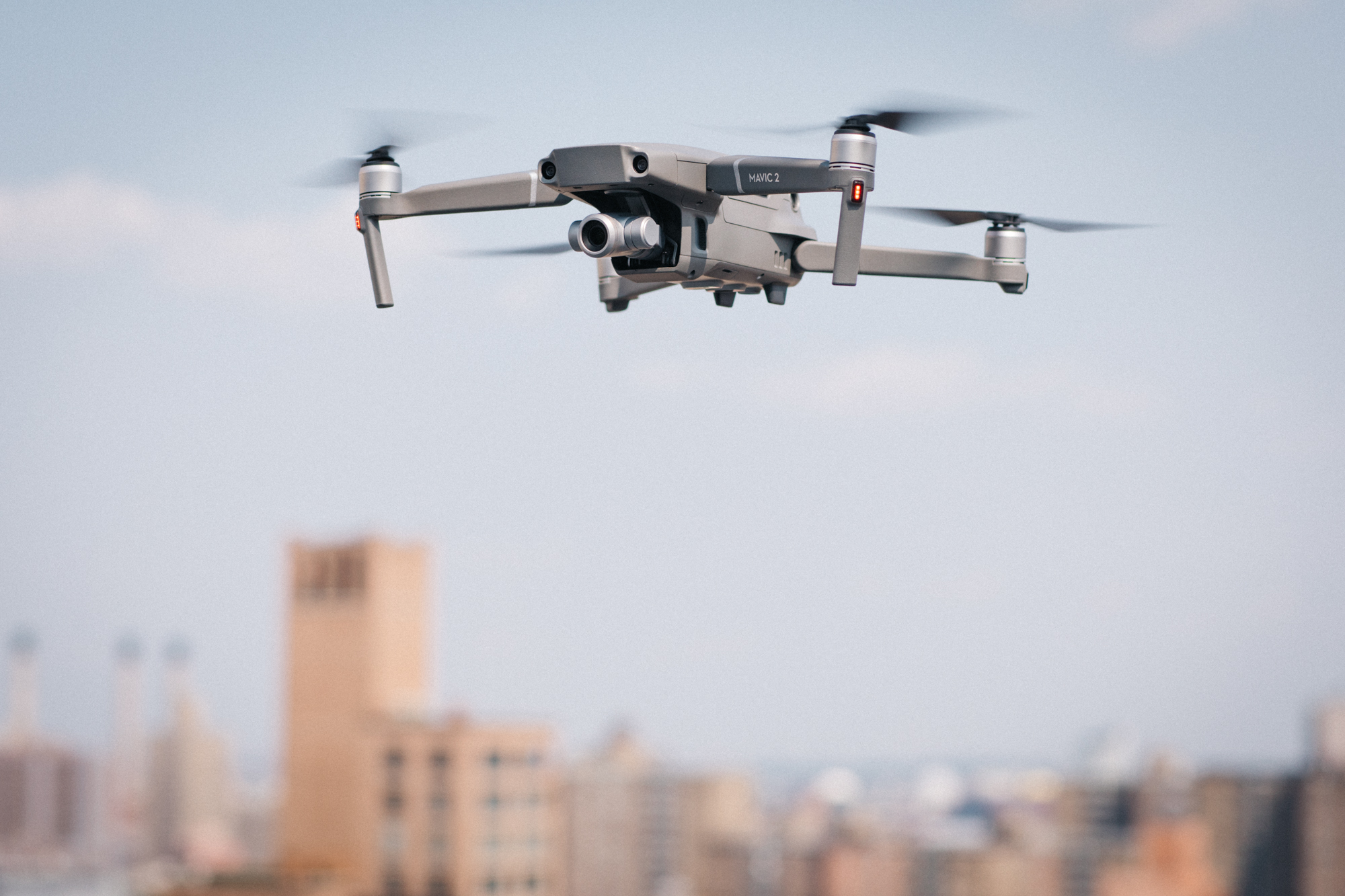
The Mavic Pro was a revelation. It wasn’t a perfect product, to be sure, but it represented a new paradigm for DJI and the consumer drone industry in general. It was compact, folding up into a nice, portable package, while still being portable enough to shove into a backpack.

It was also the beginning of a new line for the company, paving the way for the Mavic Air and Spark — both even more portable than their predecessor. In the two years since it was introduced, however, the company hasn’t touched the flagship product. That changed early this month, when the company revealed the Mavic 2 at an event in Brooklyn.

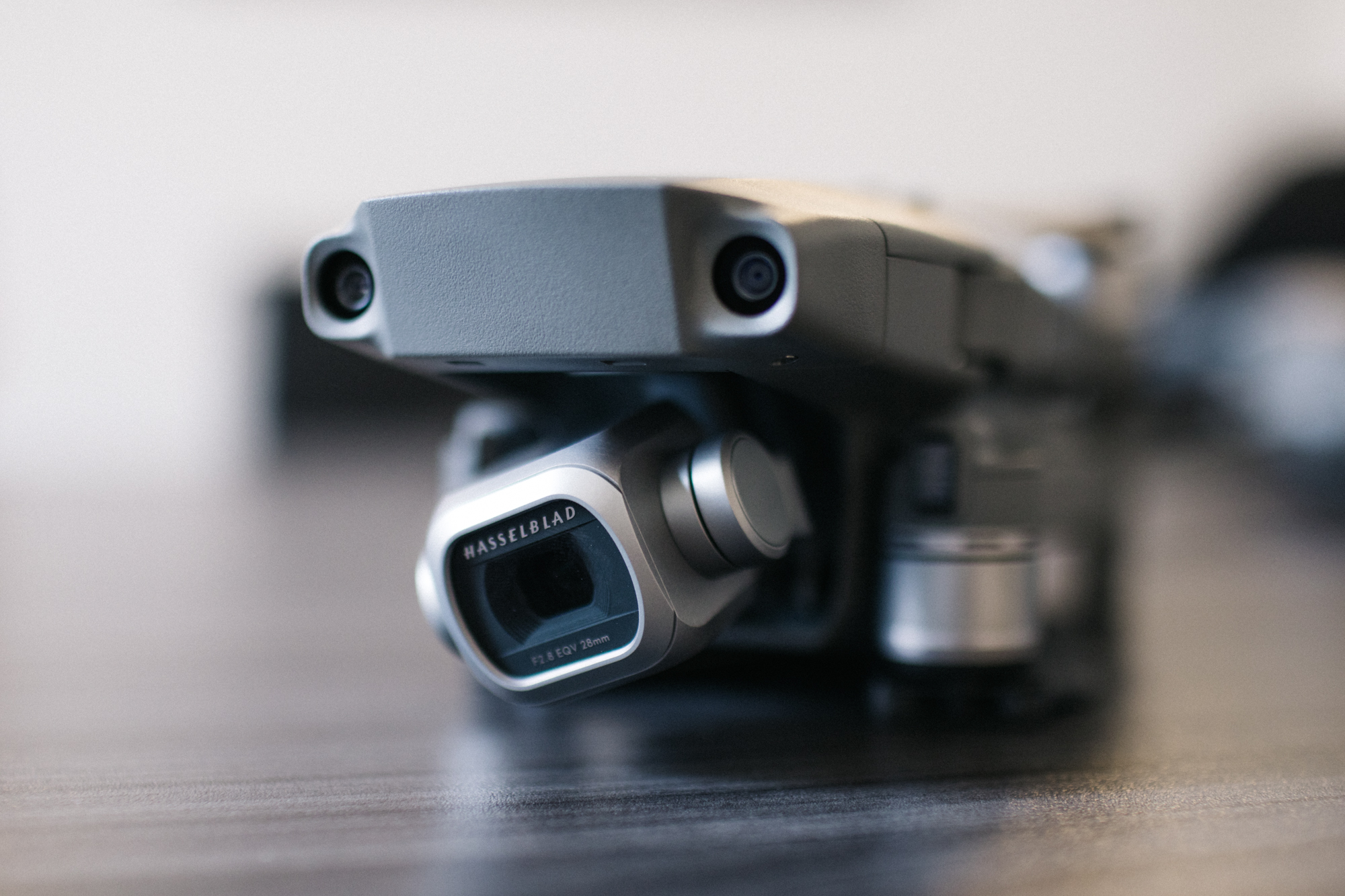
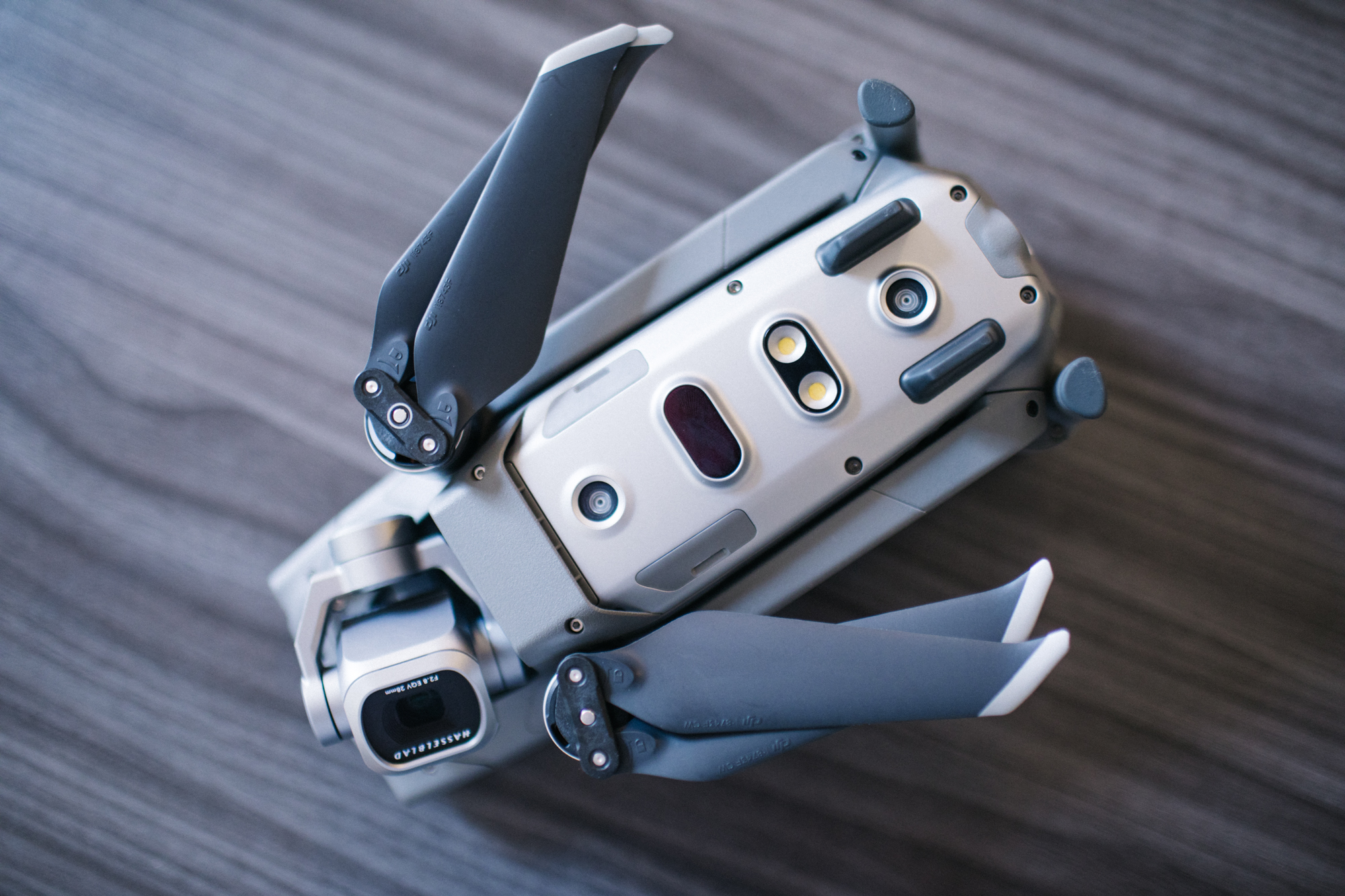
Even more so than the original, the Mavic 2 is focused on imagining. In fact, the camera is so central to the update that the company actually split the product into two SKUs — the Mavic 2 Pro and Mavic 2 Zoom. The front-facing camera is the only real distinction between the two devices.

It’s a bit of confusing branding, perhaps — especially in a line that already contains several different models. More to to the point, it’s a bit disappointing after the initial round of rumors suggested that the company might be introducing a drone with a modular gimbal. Imagine the possibilities of swappable cameras for photography professions. That, sadly, will have to wait for a future update.

Beyond the camera, the update over its predecessor is fairly minimal given the two-year gap. In fact, I’d like to say upfront that this isn’t really enough to justify a purchase for those who own the first version — unless, of course, you’ve crashed it into one too many birdhouses. Of course, drones are not smartphones, and as such, they really shouldn’t be held to the same standards.

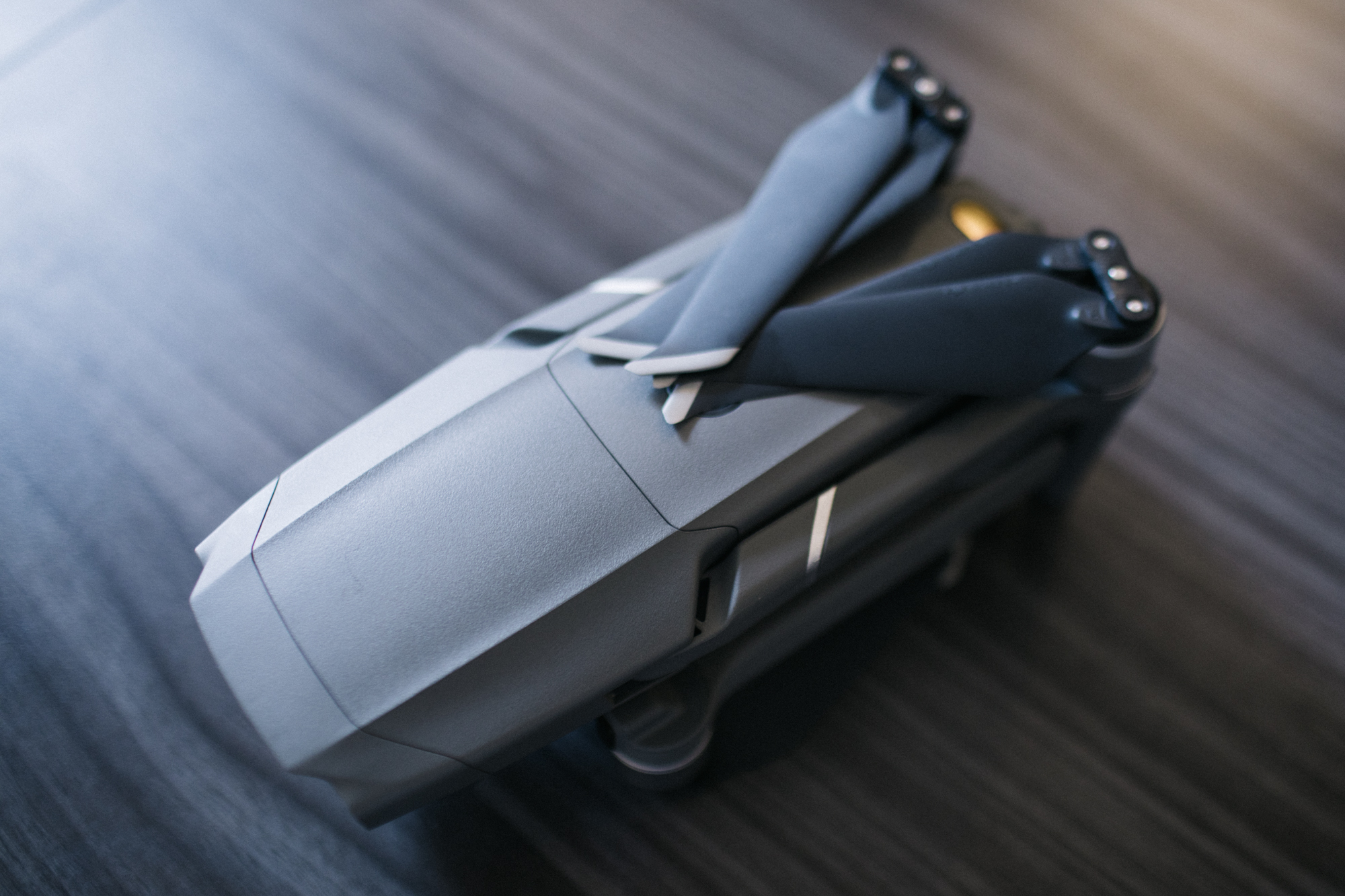
And really, just about all of the upgrades are welcome here. If there’s one nit to pick, it’s that the new Mavic is notably larger than the original. It’s a surprising move, given how essential size and portability are to the whole enterprise. This is due, in part, to the fact that the company has made some aesthetic changes in the name of making the thing more aerodynamic.

The upshot of that is faster speeds. The Mavic 2 is capable of traveling up to 44 miles an hour — pretty zippy for a mainstream consumer drone of its size. Of course, in order to support a heavier drone, you need a heavier battery, which in turn makes the whole thing heavier. You see where I’m going with this. The other downside: The new drone doesn’t work with the old one’s batteries.

Even so, the company’s managed to squeeze more life out of the thing, upping life from 28 to 31 minutes. Not a lot, sure, but when it comes to these devices, every minute counts. And given the fact that the last drown I flew was the 18-minute Mavic Air, that addition makes all the difference in the world. When you’re running low on juice, the app will notify you, loudly. If you want more time, the batteries are swappable, and the company has made it possible to purchase its Fly More Combo (two batteries, a multi-battery charger and extra propellers, among others) at any time for $319.

There are other tweaks here and there. Raked tips on the propellers and an adjusted motor means things run more quietly. You likely won’t notice a huge difference there, and it still sounds a bit like a lawnmower, but every little bit counts.

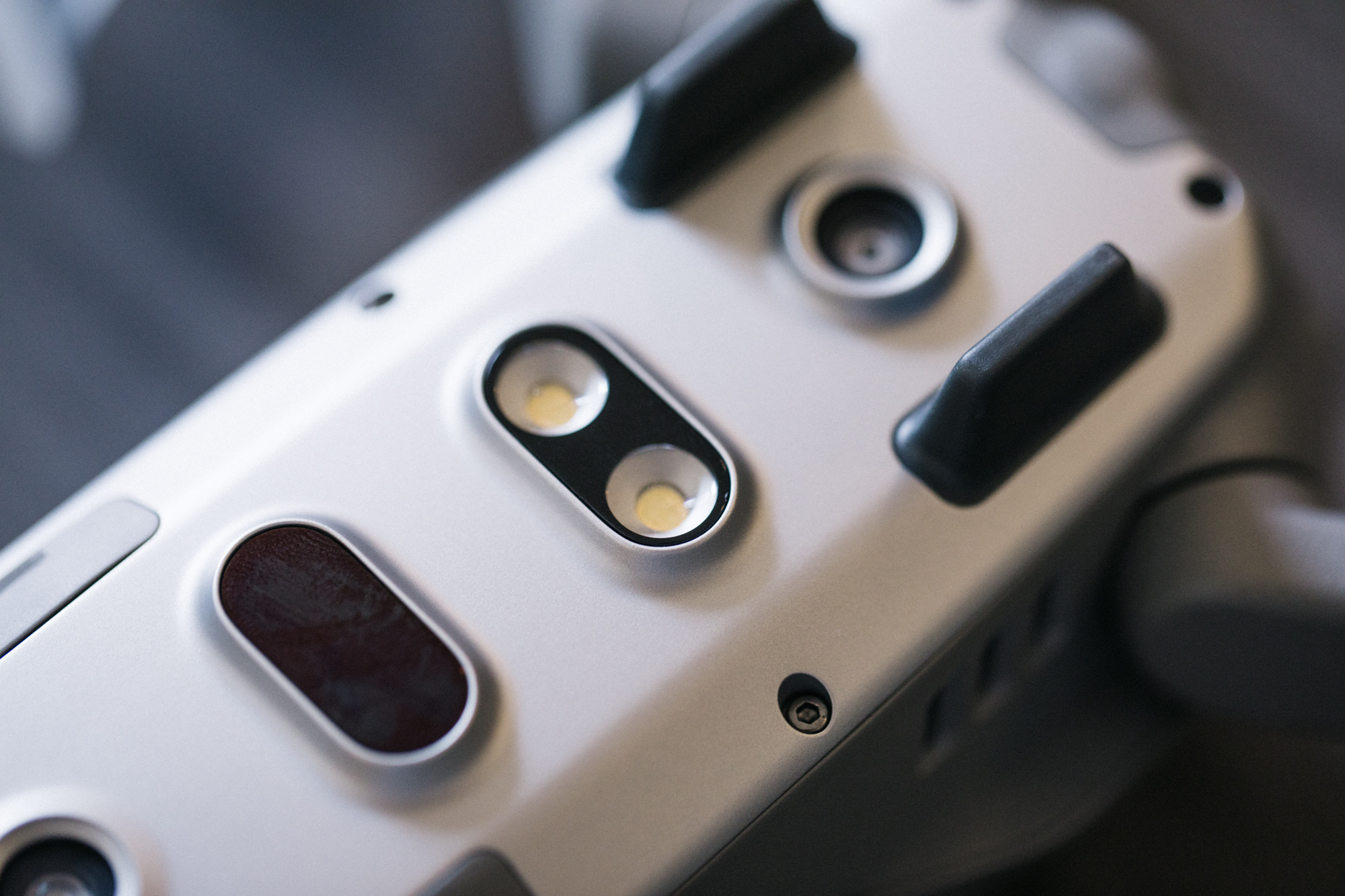
The on-board tracking and obstacle avoidance systems have been adjusted, as well. The latter is pretty impressive for the most part, coming to a stop in the air when it spots something in its path. I’m going to be honest, this is my favorite part of testing these things. I did, however, manage to nick a tree, once the drone was out of my line of sight, sending it spiraling to the ground below.

On the upshot, this was the ideal opportunity to test the tracking. I was able to find the drone pretty quickly using the app. Also, while there was a superficial scratch on the side of the drone, it was otherwise unscathed. I was able to get it back into the air quickly with no issues.

The cameras on the product are impressive, as promised. The Mavic 2 Pro is the first product from the company to sport a Hasselblad-branded camera since DJI bought a massive chunk of the legendary Swedish camera maker, though I suspect there’s going to be a lot more where that came from. The camera has a 20-megapixel 1-inch sensor like the one found on the Phantom 4 Pro. Frankly, the device makes that model somewhat redundant, though the company tells me it’s sticking around.

Unlike some of Hasselblad’s standalone cameras, there’s little lag in processing. And the pictures are great, as advertised. Our video producer Veanne described the output as “sharp” and “clear,” with an “epic” wide angle. This is a solid selection for those who want nice videos/still, without having to cart around a massive device.

The Zoom’s camera is a bit of a step down, but the 2x optical (24-48mm) and 2x digital zoom are able to simulate the effect of a 96mm lens. Honestly, that’s going to be a much more valuable tool for many videographers than the Hassleblad — particularly for those instances when it’s hard to get close in on an object for any number of reasons. At $1,249, the Zoom is also $200 less than the Pro. I’d lean pretty heavily in that direction if I were agonizing over which model to purchase.

There’s also the added bonus of Dolly Zoom, an extremely cool new mode that zooms into an object while the drone flies in the opposite direction, causing a disorienting effect similar to the one heavily used by Hitchcock in films like Vertigo.

The new drones also feature some cool new hyperlapse effects, as follows:

  • Free – pilots the drone manually while shooting a Hyperlapse video.
  • Circle – automatically flies the drone in a circular pattern around a subject you select to create a time-lapse video that captures the action.
  • Course Lock – keeps the camera fixed on shooting subject while the drone flies in a straight direction to create a unique perspective.
  • Waypoint – plans a complex flight path based on both altitude and GPS coordinates to capture complex shots.

Unsurprisingly, those require several minutes to get good shots. Don’t try them once the battery warning starts beeping. The app will still attempt it and then emergency land the drone before completing.

Control is pretty similar to the other models. The controller works well with both Apple and Android handsets, though larger ones like the Galaxy Note 9 are a bit awkwardly large to slot in. While actually getting off the ground for the first time is a bit of a chore, flying is surprisingly intuitive, once you get the hang of the two different joysticks. All in all, it’s actually not a bad starter drone, if you can afford it.

With a starting price of $1,249, it’s not the cheapest on the market, but in terms of class, the Mavic products continue to be unmatched.


from TechCrunch https://ift.tt/2PqdaV3

Apple acknowledges iPhone 8 logic board issues, offers free repairs

It's no secret that Apple sells a lot of devices each year so even if the company says there's an issue affecting a small percentage of the devices, we might be talking hundreds of thousands of handsets, or even millions. However, this time around, the acknowledged issue concerning the iPhone 8 might not really be that widespread like some in the past. In an official statement, Apple says there's a logic board issue in some of the iPhone 8 units manufactured between September 2017 and March 2018 - essentially, the handsets sold in the first six months. Users are reporting freezing,...


from GSMArena.com - Latest articles https://ift.tt/2our5OH

Huawei found guilty of 4G LTE patent infringements, has to pay $10.5 million

Recently, Huawei was forced to exit the US market - at least partially - and suffered great losses, but the troubles don't seem to stop there as a jury at the US District Court for the Eastern District of Texas found the Chinese firm guilty of multiple patent infringements. Reportedly, back in 2014, the US company PanOptis tried to contact Huawei and schedule meetings to discuss the violations and even offered reasonable non-discriminatory terms to license the patents so Huawei can continue using those technologies. After three consecutive years and numerous letters, the Chinese tech...


from GSMArena.com - Latest articles https://ift.tt/2PW8OGs

Asus Zenfone 5z review

The Asus ZenFone 5Z has been around for some time now. Flagship ZenFone series devices have been known to border on the excess in the past, and while some of that may have become par for the course for flagship Android phones these days, the ZenFone 5Z leaves no stone unturned and comes with all the proverbial bells and whistles. As with previous ZenFone flagships, it is also priced exceedingly well positioning it squarely between the Poco F1 and the OnePlus 6 but is that really the whole story? Let's find out.


from GSMArena.com - Latest articles https://ift.tt/2PsOPy9

A new Nokia phone pops up on 3C

Everyone is looking at HMD Global to release a truly flagship-grade Nokia smartphone after the Nokia 8 Sirocco didn't exactly live up to some expectations. Now, a new Nokia-branded handset, with model number TA-1131, has popped up on the Chinese 3C certification website giving us hope of a Nokia 9 release. We know it's too early to tell since the listing doesn't give away anything specific about the smartphone but we can still hope, right? It just mentions 5V/3A, 9V/2A and 12V/1.5A charging speeds capping at 18W, which confirms fast charging capabilities. However, this isn't new to...


from GSMArena.com - Latest articles https://ift.tt/2CiU9Cz

Huawei Mate 20 spotted in the wild at the IFA show floor

IFA, or any major tech convention, for that matter, is an incredibly chaotic and overcrowded place. Kind of like a sensory overload, especially for a tech junky. That being the case, the incredible attention to detail among some of you never ceases to amaze us. Mix in a little creepy stalking-style photography and you end up with today's leak, consisting of a few live shots of what is probably the Huawei Mate 20. The Chinese giant already confirmed an October 16 launch date for the device, meaning that there is still some waiting to be done. However, definitely not long enough to...


from GSMArena.com - Latest articles https://ift.tt/2Ce2ebg