Saturday, October 30, 2021

Internet shutdowns are a political weapon. It’s time to disarm.

Authoritarian governments from twenty-one countries have deliberately shut down internet service at least fifty times this year, and the problem is only bound to get worse. As regimes such as Venezuela face elections and Cuba experience protests, they’re finding it easier to contain dissent by curtailing digital freedoms – and are becoming increasingly brazen in doing so.

Shutting down the internet can be as easy as flipping a switch. Hosni Mubarak’s Egypt took this approach in 2011, and ten years later, Myanmar’s daily shutdowns lasted months – depriving hundreds of thousands of people of the means to communicate and shrinking the country’s GDP by an estimated 2.5 percent. Just this week in Sudan, citizens are experiencing disruptions to internet access in the midst of an ongoing military coup.

Most governments are more nuanced, however.
Read more from the TechCrunch Global Affairs Project

The Iranian government was among the first to block websites, as it did in 2009 during the Green Movement. Others, like Tunisia, blocked only certain websites amidst protests demanding greater accountability this year. Increasingly, governments use their control over internet service providers to ‘throttle’, or slow down, particular domains to an unusable speed. Russia, for instance, recently throttled Twitter for refusing to remove “objectionable” content about opposition figure Alexei Navalny.

Governments provide myriad reasons for restricting internet access. Officials often cite national security or a fear of violence during public demonstrations. But as people live more of their lives online, governments’ ability to restrict internet access represents a grave threat to safety, freedom and well-being.

After all, the internet’s growth as a global, borderless network of networks has been a boon to human freedom, providing new ways to discover information and new channels to organize. But growing opposition to a truly global open internet from a surprising number of governments risks a mounting erosion of freedoms as more aspects of our lives shift online.

The problem of deliberate shutdowns has escalated – and UN Special Rapporteur Clement Voule recently warned that shutdowns are getting worse and more widespread. Internet shutdowns are increasingly being used as the primary tool for governments to silence dissent and control their populations without attracting the ire of the international community.

Internet shutdowns affect people far beyond restricting communication: they immobilize economies by halting commerce and trade, keep people from attending school, and endanger lives. But as covert blocking techniques like throttling have become commonplace, detection of shutdowns has become more difficult. The increasing complexity of the internet makes it difficult to determine what is happening when a government limits its citizens’ access, though. And it’s impossible to condemn what you can’t see.

Documenting even partial internet shutdowns is a critical first step to addressing this issue globally. No government should be able to shut down the internet without the international community knowing about it. That’s why Jigsaw is working with leading researchers at Access Now, Censored Planet, Open Observatory of Network Interference (OONI), and others to make information available, build understanding, and mitigate the impact of shutdowns.

A number of resources can reduce the impact of internet shutdowns. Mesh networks, virtual private networks (VPNs), and shared proxy servers can provide the means to help people connect to the open web during shutdowns. Implementing internet-wide standards can make domain-level throttling more difficult.

But technology is only one part of the solution. Preventing future shutdowns requires political action: raising the cost of such action in the eyes of the international community.

Grassroots efforts to highlight internet shutdowns such as the #KeepItOn movement, a coalition of more than 240 organizations from 105 countries, provides a range of advocacy, technical support, and legal interventions to prevent future shutdowns.

Democratic governments, too, should unite in action.

As the world’s most technologically advanced democracies formalize their multilateral coordination on technology issues in groupings like the T-12 or the Quad, they should prioritize internet shutdowns as a key pillar of their agenda. Through the Organization for Economic Cooperation and Development, the United States and other like-minded states could build on the work of the Online Freedom Coalition, a grouping of thirty-five democracies committed to online freedom, to enhance funding efforts to understand the technical aspects of the threat and develop technical and policy responses. They could ensure concerted condemnation accompanies future shutdowns and articulate ‘red lines’ to trigger sanctions on countries violating their commitments under international human rights law.

Despite the challenges, it is up to democracies to take up the rallying cry for a free and open internet. Only then might the promise of a universally accessible internet be fulfilled.

Read more from the TechCrunch Global Affairs Project


from TechCrunch https://ift.tt/3bpMrVH

Neurodiversity in technology: Are businesses missing out on key talent?

My son was diagnosed with autism spectrum disorder in the first grade. As a mother, it took an ecosystem of support from schools, counselors and family members to ensure that we understood his needs and provided support for his learning and personal development.

Through our own journey, I’ve seen firsthand the challenges that people with neurological variations like autism face on a daily basis, but perhaps one of the biggest hurdles is overcoming society’s underestimation of this incredibly gifted population.

In my experience, people with neurodiversity are consistently underestimated for their knowledge and skills — but if my son is any indication of the value they can bring to the tech industry, then business leaders are missing out until they prioritize cognitive diversity.

Why is neurodiversity important in the technology industry?

One of the key factors in making each of us different is our neurological makeup. This difference can result in people interpreting, understanding and reacting differently in certain situations within personal and working life. And it often creates different skills and talents within people, such as heightened levels of analytical and creative processing.

The technology industry spans various roles and functions, from data scientists to developers, analysts and many more – not to mention the jobs that have yet to be created as we approach the Fifth Industrial Revolution and our world undergoes a significant digital transformation.

As an industry, we need to work harder to educate how talent can be leveraged in different ways to fulfill these roles, because employees are often a company’s greatest asset.

Throughout history, we’ve relied on our ability as a society to think differently in order to survive and thrive. With differences in thinking, neurodiverse people can bring alternative perspectives that may not have been explored before. It’s critical that businesses continue to prioritize cognitive diversity in their workforce, as every individual brings unique knowledge, experiences, and skills to the table and can help drive progress in technological innovation.

How can the tech sector recognize and recruit neurodiverse talent?

One of the first barriers to entry for someone who is neurodiverse is the interview process. Traditional interviews take into consideration things like body language and awareness of social cues that can put a neurodiverse person at a disadvantage.

Neurodiversity might affect the way that someone communicates; for example, the inability to read non-verbal social cues, resulting in limited eye contact and limited language softening. This behavior could lead to the removal of neurodiverse people from candidacy based on “cultural fit.” In reality, this is a much larger miscommunication that’s likely to screen out neurodiverse talent from positions in which they could excel.

Chemistry and character-based stages of the hiring process tend to take place first, before digging into the more technical elements of a role, where neurodiverse people can display their advanced skills. This leads us to ask: Are businesses doing enough to support diversity, equity and inclusion if they aren’t giving equal opportunity to neurodiverse people?

One way businesses can address this challenge is by partnering with community organizations to gain expert guidance, education, and best practices around talent acquisition and talent nurturing.

For example, across Stanley Black & Decker, we’re collaborating with the National Organization on Disability and Autism Speaks to establish a hiring program that helps us recruit and retain talent of all abilities. As a leading global company, we have a responsibility to ensure our future is developed for everyone, by everyone, and that means taking steps to ensure our workforce is diverse and inclusive of people of all abilities, including neurodiverse people.

By taking steps to understand how we can all implement inclusive hiring practices, the tech industry can greatly benefit from a talent pool that might have otherwise been untapped. This could provide at least part of the solution to the technology talent shortage that continues to impact the industry.

Job mobility and career advancement within the neurodiverse community can also be explored and developed to ensure that career advancement is not limited to lower-skilled positions.

We must keep in mind the limitations on soft skills and associated characteristics stereotypically looked for in management and leadership roles, such as self-awareness and interpersonal communication.

When you look at case studies of neurodiverse teams, there is a distinct uplift in productivity, particularly in analytical roles. As such, I’d encourage leaders to identify opportunities for all talent to excel in their areas of expertise.

Can the tech sector help optimize the future of the workplace for neurodiverse people?

During the past 18 months, we have seen a dramatic shift in requirements from leadership. Employees have more autonomy than ever before, and the same goes for people who are neurodiverse.

They now have the ability to request workplace accommodations that might not have been considered “essential” in the past — for example, more flexible working arrangements or the availability of choices to support alternative requirements to thrive in their working day. This could include variety in their immediate work environment and spaces for limited social interaction, noise or distraction, as well as the availability of headphones to limit auditory overstimulation.

Not only that, but the virtual world in which we’re living presents an added opportunity for people who are neurodiverse because it requires fewer of the typical in-person social skills that were previously expected within the workplace. This means that now more than ever, there are many flexible processes and policies that organizations can put in place to meet employees where they are.

A great way to provide additional support to employees is by encouraging engagement in employee resource groups (ERGs). In 2018, I co-founded our Abilities Network, a global ERG committed to supporting employees with disabilities, employee family caregivers of those with disabilities and the greater global community. It provides them with an engaging environment where they can pursue advancement, bring their full selves to work and thrive.

It was my personal experience that inspired me to establish this ecosystem of support — I knew how essential it was in helping our family advocate for our son. I did this through charity partnerships such as Autism Speaks. First initiated in 2018, we wanted to provide guidance for our workforce and leverage the National Organization on Disabilities to enhance our education and progress in this area.

By developing these communities, we can open conversations around neurodiversity and create more inclusive environments in which all employees have the tools, resources and support they need to succeed.

This also allows us to support employees as the business adapts. For example, during the pandemic, we saw a large increase in employees suffering from anxiety. Therefore, the Abilities Network partnered with Understanding Anxiety to offer support and tools to employees who need it.

It’s important that we bring best practices in inclusivity to all elements of the business, from hiring to marketing and everything in between.

From a marketing perspective, this means creating, for example, accessible website experiences across a company’s digital platforms to ensure people of all abilities are able to access and experience the company’s information. We’ve been successful in deploying numerous digital experiences with “accessibility by design” through the support of the Abilities Network ERG.

By tracking the progress of the employee experience through employment statistics and employee objectives in a Disability Employment Tracker, we have seen a 54% increase in talent sourcing and a 20% increase in “people, policies and practices” leading to an overall cultural accessibility increase of 105%.

My son has been a tremendous help throughout this process, acting as a sounding board to help me drive toward a more inclusive future, and I’m forever grateful for his partnership. He has been the inspiration behind my passion to ensure inclusivity remains at the heart of everything that I do.

Neurodiversity presents business opportunities

Technology changes the world and shapes the future of all industries. As leaders in this space, we have a responsibility to ensure that this future is inclusive and representative of all of us. We must ensure diversity, equity and inclusion initiatives aid not only new talent, but the neurodiverse people already within the talent pool.

My son, now 19 years old, is studying biotechnology and molecular bioscience at a technology university. When he was first diagnosed with autism spectrum disorder, we were met with low expectations for his personal and professional development — a collective underestimation of the value his unique skills could bring to the table.

This has driven my passion and efforts to ensure that we at Stanley Black & Decker — and other companies — provide inclusive opportunities for all people.

Neurodiversity presents a huge opening for leaders to bring in unique talent with different skill sets to ultimately drive progress in the tech industry and beyond. And unless we’re tapping into this pool of talent, companies are missing out.


from TechCrunch https://ift.tt/3mrcMsK

Redmi Smart Band Pro announced with 1.47" OLED display, Watch 2 Lite tags along

The rumored Redmi Smart Band Pro has just been announced, about a year after the original Redmi Smart Band. As the name suggests, however, the new version is better equipped and offers more features. For starters, we have a 1.47-inch AMOLED panel with 450 nits of maximum brightness and 282 ppi. It's protected by a 2.5D tempered glass while the body is made of polycaprolactam (type of nylon, plastic), reinforced with glass fiber and it can go under 50m under water. The strap, of course, is made of soft silicone. The device adopts the usual accelerometer, gyroscope and PPG heart...


from GSMArena.com - Latest articles https://ift.tt/2ZwTc5s

Xiaomi 12 spotted in the wild

As per tradition, the Xiaomi 12 should arrive at the beginning of next year, but that's still not confirmed and judging by the leaks for the past couple of weeks, the handset might arrive earlier than usual. In fact, the latest live images of the Xiaomi 12 suggest an imminent launch. Alleged Xiaomi 12 The original images have been shared on Weibo showing the smartphone handled on the subway. The phone is wrapped with a case to keep prying eyes away. Sadly, the case does its job well and doesn't give away too much. Perhaps the device looks a bit longer than usual, suggesting a...


from GSMArena.com - Latest articles https://ift.tt/3msnO0O

Apple and Samsung phones depreciate the least after one year

An interesting report by a UK online retailer of refurbished electronics, musicMagpie, gives us interesting data on how smartphones depreciation over 12 months. And unsurprisingly, Apple tops the chart, followed by Samsung, as their phones hold value better than the rest. According to the report, the average UK consumer changes his phone every 16 months and that costs him about 50% of the old phone's value. Apple devices seem to lose 41% of their value in the first 12 months on average and that metric goes up to 60% after 24 months. A Samsung phone, on the other hand, loses 64% of its...


from GSMArena.com - Latest articles https://ift.tt/3EwHqXQ

Friday, October 29, 2021

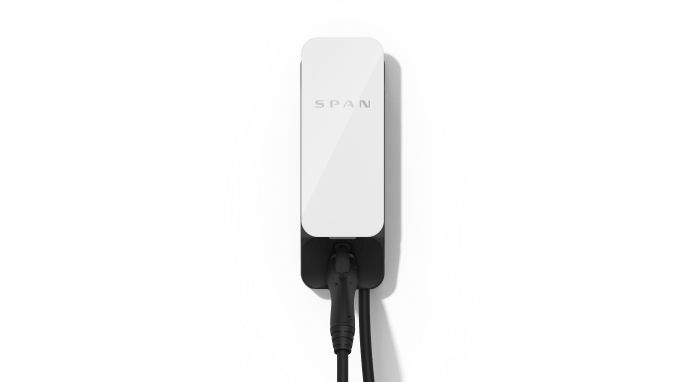
Freshly launched Span Drive continues Span’s mission to smarten up your home

Gone are the days when your A/C and washer/dryer were the movers and shakers (electrically speaking) in your house. These days, electric vehicle chargers, solar power and battery storage solutions set more electrons a-dancin’. Span is one of the companies running point on adding some smarts to the process. The company today launched the Span Drive, an EV charger that is making it possible to further empower your EV based on various rules.

Our homes are becoming more and more electrified, and modern units, in particular, can have power draws that homes of an older design don’t have. A/C and heating, heat pumps, water heaters, washers and dryers, induction cooktops, electric ovens, EV chargers and battery-based electrical storage can draw tremendous amounts of power. In addition, more and more homes have solar installed, which means a huge chunk of electricity going in the other direction. Between all of this, our homes are getting more complex and power-hungry, but the truth is that not all of these appliances run at the same time. This is the conundrum facing modern electric design: Your house may have a 100-ampere maximum power delivery from the grid, you may have 180 amps’ worth of appliances, but you probably won’t use them all at the same time. The problem is that you have to assume that, at some point, the homeowner will turn every appliance on at once, and the power company is going to get very grumpy — at least until your main circuit breaker cuts you off. 

That is one of the challenges Span solves. The company launched its smart home electric panel in May, and announced a $20 million funding round a few months earlier. Today, it launches the Span Drive, a $500 electric car charger that extends the functionality of the $3,500 electric panel with some extra smarts targeted at one of the most power-hungry devices in a modern home: the electric vehicle.

“We are able to allow homes to continue to add electric appliances without having to bear the cost and time expense of upgrading the service from 100 to 200 amps, or from 200 to 400,” says Arch Rao, Span’s CEO.

“It’s not so much just that the panel is upgraded. We’re fundamentally rethinking what that device in our home needs to be, to enable much better power management and integration of clean energy and electric devices. The traditional panel was doing a very good job of being a safety device: It used to be the device where your power came in and got distributed out to different appliances and circuits in your home. And if your circuits were operating at a level that was unsafe, it would shut off the circuit. This is what a breaker does, and that hasn’t really evolved in about 100 years: It’s serving as a passive safety device,” explains Rao. “The location where the breaker panel sits is the most obvious place for innovation to happen: The panel sits at the intersection of the grid and all the things in your home. That isn’t just your appliances, but your solar system, your electric vehicles, your storage system, etc. The new panel that we’ve built performs the function of a passive safety device but does an order of magnitude more than that, in that it is the device that can safely disconnect or reconnect into the grid.”

This connecting to and from the grid aspect is key for people who want to try to live off the grid. Being able to turn a home into an island, at least electrically speaking, is one of the things that makes Span’s systems so interesting, from a future-proofing point of view. It also means that the panel can make your home operate independently for longer during a power outage. In a home with power-storage solutions installed it can get extra clever. When the panel detects a power cut, it can turn off non-essential electric devices. For example, it might turn off your thermostat to keep your fridge and freezer running for as long as possible so your food doesn’t go bad.

Span Drive is a sleek, competitively priced EV charger that extends the functionality of the Span Panel. Image Credits: Span

The system can be controlled with an app, which enables you to set up “rules” for how you want your house to operate. For example, you could choose for the A/C to run only when it can be powered by solar. Or you could choose to pump 48A into your car for an hour to fast-charge it, while the panel shuts off power to some of your other high-draw devices to keep the total power consumption under 100 amps. The reverse use case is also possible: Charge the car as fast as possible, with as many amps as you can, and if you put on a load of laundry, your A/C and you start making dinner with your electric oven and induction stove-top, the Span Drive simply drops the electric current that’s available to your car until your kids are fed and your clothes smell like lavender and group hugs again.

Alternatively, if you use your EV only rarely, you could program the Span Drive to only ever charge your car with solar power. Undoubtedly, this is a smugness multiplier for Tesla owners wanting to beat Ferraris off the stoplights in your own local reproduction of “Tokyo Drift: Less Vroom, More Whine.”

Of course, the Span panel itself can only turn circuits on or off, but because it knows how much power each circuit is drawing, it would be possible to use additional devices to get more granular control over your home. That’s probably part of the thinking from Amazon, as it participated in Span’s recent investment round — and the company announced Alexa compatibility.

In a way, it feels as if Span is adding a lot of smarts to a traditionally dumb part of the home. Power is about as un-sexy as it comes, but as appliances get smarter and the IoT wave swallows up larger and larger parts of the devices we use every day, it seems as if Span is building a micro-power-grid across your home, with discrete zones and powerful features that nobody quite knows how to use yet. To his credit, the CEO seems to be aware of that, and agrees that his company is in the middle of a land grab for the future of our homes.

“Where we sit, we have the type of persistence that very few products do. We are on your walls and stay there for the next 30 years or so. Of course we are thinking about future-proofing. The functionality we offer today is differentiated from anything our competitors are doing. Being focused on the future makes us fundamentally better than incumbent solutions,” argues Rao.


from TechCrunch https://ift.tt/2XXhK7b

Redmi Note 11 Pro+ tipped to arrive in India as Xiaomi 11i HyperCharge

Xiaomi unveiled the Redmi Note 11 series in China yesterday, and today we already have rumors about the phones' arrival in international markets. And as Xiaomi often does it will rename the phones in the new market. According to one Twitter tipster, the Redmi Note 11 Pro will be called Xiaomi 11i in India, while the Redmi Note 11 Pro+ is going to be known as Xiaomi 11i HyperCharge. Yes, really. So yeah, #RedmiNote11Pro in India = #Xiaomi11i#RedmiNote11ProPlus in India = #Xiaomi11iHyperChargeNo rebrands for Global. pic.twitter.com/URB92udDwC— Kacper Skrzypek 🇵🇱 (@kacskrz) October 29,...


from GSMArena.com - Latest articles https://ift.tt/2ZASR1t